Two Cumberland
-

Problem
Two Cumberland, a fast-growing and award-winning boutique, brings in new sales associates regularly across its Charleston, Mt. Pleasant, and Spartanburg locations. While the brand is known for its welcoming atmosphere and exceptional customer experience, the process for handling product returns was inconsistently executed by new team members. This led to delays at the register, uncertainty around policy, and occasional customer frustration.
-

Solution
I designed a concise, mobile-friendly microlearning module in Articulate Rise that teaches new sales associates exactly how to process returns efficiently and accurately. The learning includes step-by-step guidance, visual examples, practice scenarios, and quick-reference policy reminders to build confidence and ensure a consistent customer experience across all store locations.
-

Audience
New sales associates at Two Cumberland—team members who embody the boutique’s warm, friendly, and high-touch customer service approach and need quick, accessible training to get up to speed in a busy retail environment.
-
Tools
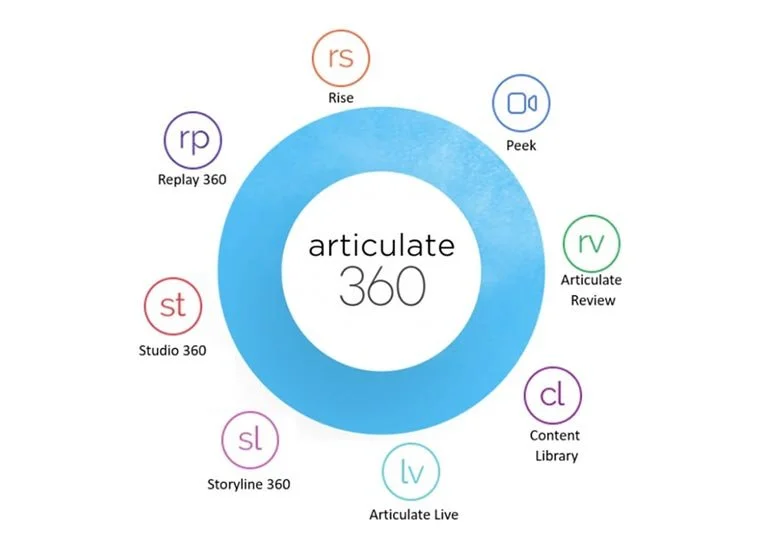
Articulate Rise, Canva (visual assets), and Google Workspace (collaboration and documentation).
Lane Mitchell Jewelers
-

Problem
Sales associates at Lane Mitchell Jewelers needed a way to confidently identify and distinguish between antique, vintage, and estate jewelry to provide accurate information to customers and enhance the customer experience. Associates lacked formal training on historical jewelry styles and age-specific characteristics.
-

Solution
Designed and developed an interactive Storyline course that teaches associates to identify antique (100+ years old), vintage (30–100 years old), and estate jewelry. The course includes visual examples of jewelry styles, historical context, and quizzes to reinforce learning, focusing on styles up to the 1860s.
-

Audience
Sales associates at Lane Mitchell Jewelers who interact with customers and need knowledge of historic jewelry styles to support sales and customer education.
-
Tools
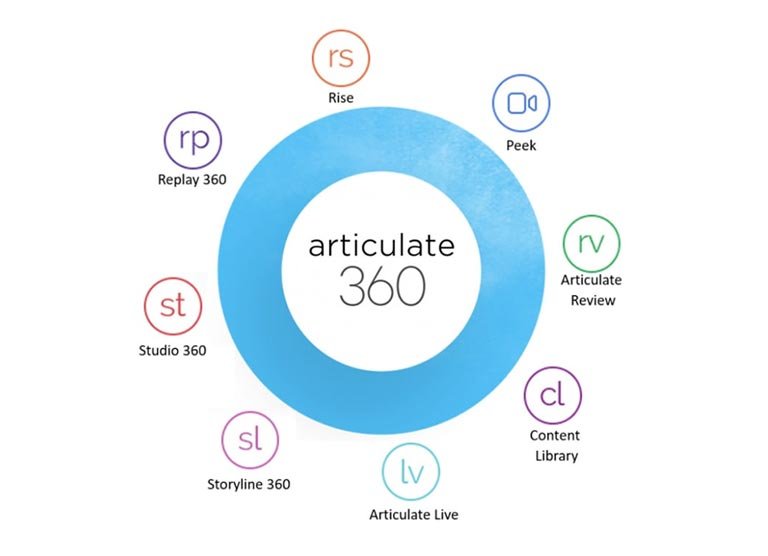
Articulate Storyline for course development, high-resolution jewelry photography for visual examples, Adobe Illustrator/Photoshop for image enhancement, and internal historical style references for content accuracy.