❋
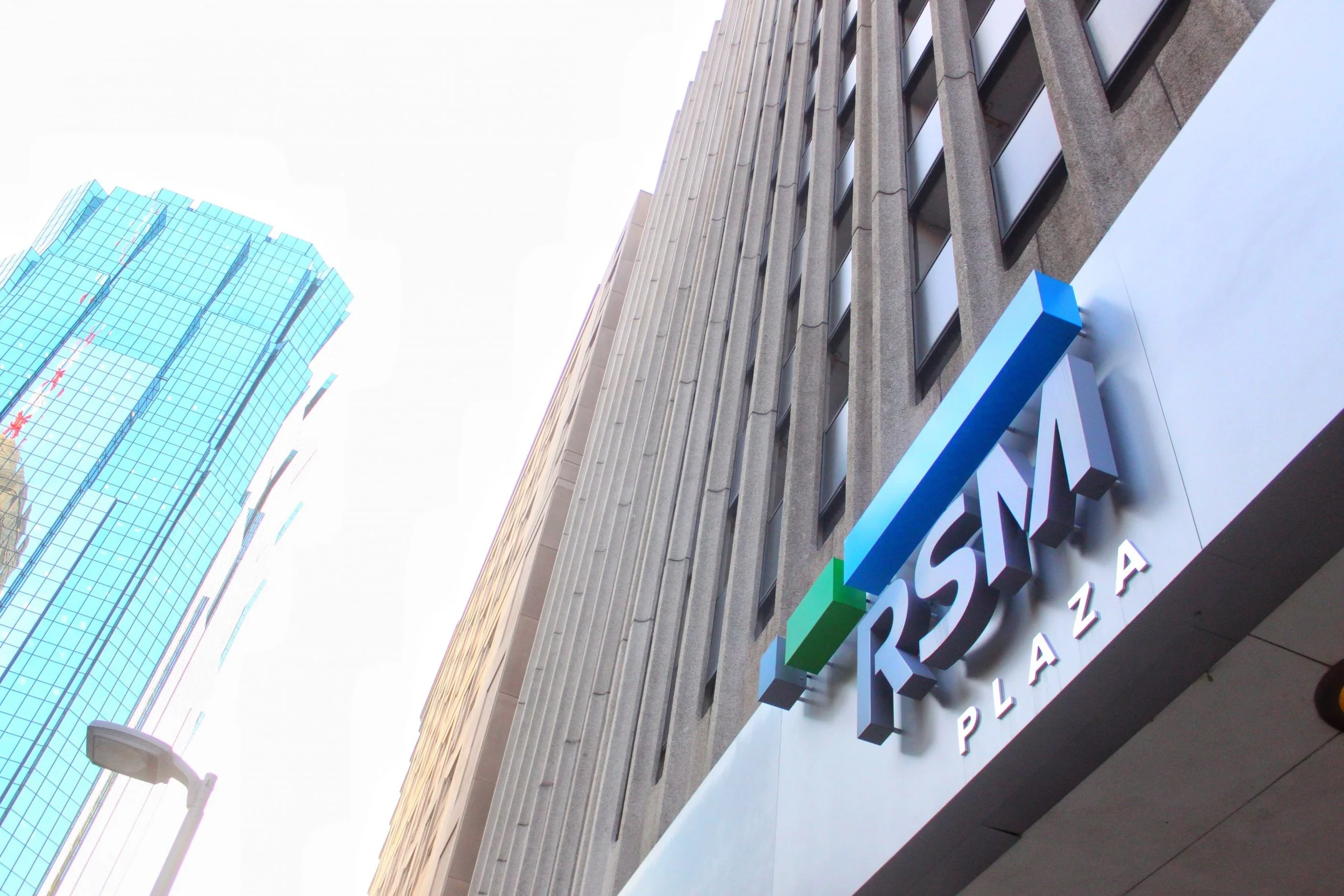
Developing Enterprise Leaders Across a Global Professional Services Firm
Executive Leadership Development Program | RSM US LLP
-

Business Challenge
As a growing, complex professional services firm, RSM faced increasing variability in leadership capability across lines of business, geographies, and leadership levels. While principals and partners were technically strong and commercially successful, the organization needed a more consistent, enterprise-wide leadership approach—one that strengthened self-awareness, aligned leaders across functions, and prepared senior talent to lead through ambiguity, change, and cross-business complexity.
The challenge was not only to develop individual leaders, but to build a connected leadership community with shared expectations, language, and accountability.
-
Program Focus
This cohort-based executive leadership program was designed to deepen leadership effectiveness, expand enterprise thinking, and strengthen influence across the organization. The program focused on self-awareness, executive presence, strategic leadership, collaboration across lines of business, and the ability to lead complex, real-world challenges facing the firm.
Participants were challenged to move beyond functional leadership and develop a broader, enterprise-wide perspective.
-
Program Design & Methods
An 18-month, immersive development experience combining assessment, coaching, learning, and real-world application.
360-degree leadership assessment to establish self-awareness and individual development priorities.
Quarterly, in-person learning sessions bringing together cross-functional cohorts from tax, audit, and consulting.
Monthly small-group executive coaching, delivered virtually, to support reflection, accountability, and behavior change.
Quarterly leadership and self-development readings, with authors joining live sessions for facilitated, hands-on workshops.
Cross-line-of-business cohort model, fostering enterprise thinking and relationship-building.
Capstone experience focused on addressing a real, current business challenge, reinforcing strategic thinking and application.
The program design intentionally blended introspection, peer learning, expert insight, and applied leadership practice.
-

Outcomes & Impact
Increased consistency and alignment in leadership behaviors, with post-program assessments showing 89% of participants demonstrating measurable improvement in leadership effectiveness and alignment with firm leadership expectations.
Stronger enterprise mindset among senior leaders, with over 90% of participants reporting increased ability to think and act beyond their functional line of business.
Deeper self-awareness and leadership effectiveness, supported by 360-degree feedback improvements across key leadership competencies for principals and partners over the 18-month program.
Improved collaboration across tax, audit, and consulting, with cross-functional capstone teams delivering actionable recommendations tied directly to current business challenges.
Creation of a sustained leadership community, with high ongoing engagement rates in peer networks, coaching groups, and alumni connections beyond program completion.
Demonstrated leadership pipeline impact, with senior organizational leaders—including the current firm leader—serving as program alumni, reinforcing the program’s credibility and long-term value.
18-Month Executive Leadership Curriculum
Phase 1: Building Self-Awareness & Leadership Foundation
Focus: Understanding self, strengthening leadership effectiveness, and establishing a common leadership language.
360-Degree Leadership Assessment & Feedback – Clarifying strengths, blind spots, and development priorities
Leadership Identity & Executive Presence – Leading with confidence, credibility, and authenticity
Emotional Intelligence & Self-Regulation – Navigating pressure, complexity, and ambiguity
Foundations of Enterprise Leadership – Moving beyond line-of-business thinking
Phase 3: Strategic Impact & Legacy Leadership
Focus: Applying leadership capability to real business challenges and long-term firm success.
Strategic Thinking & Systems Leadership – Seeing the organization holistically
Culture, Values & Leadership Accountability – Modeling behaviors that shape firm culture
Capstone Experience – Solving a real, current enterprise business challenge
Sustaining Leadership Growth – Transitioning learning into ongoing executive practice
Phase 2: Leading Others & the Business
Focus: Strengthening influence, collaboration, and strategic leadership across the firm.
Influence Without Authority – Leading peers, partners, and stakeholders
Executive Communication & Decision-Making – Driving clarity and alignment
Leading Through Change & Complexity – Managing uncertainty in a dynamic professional services environment
Collaboration Across Tax, Audit & Consulting – Breaking silos and strengthening enterprise mindset
Why This Program Works
Longitudinal design supports sustained behavior change rather than short-term skill acquisition
Assessment-driven development ensures learning is personalized, relevant, and actionable
Coaching embedded throughout reinforces accountability and real-time application
Cross-line-of-business cohorts strengthen enterprise thinking and internal networks
Real business application through capstone work drives tangible organizational value
Executive-level rigor aligns with the complexity and expectations of principal and partner roles
❋
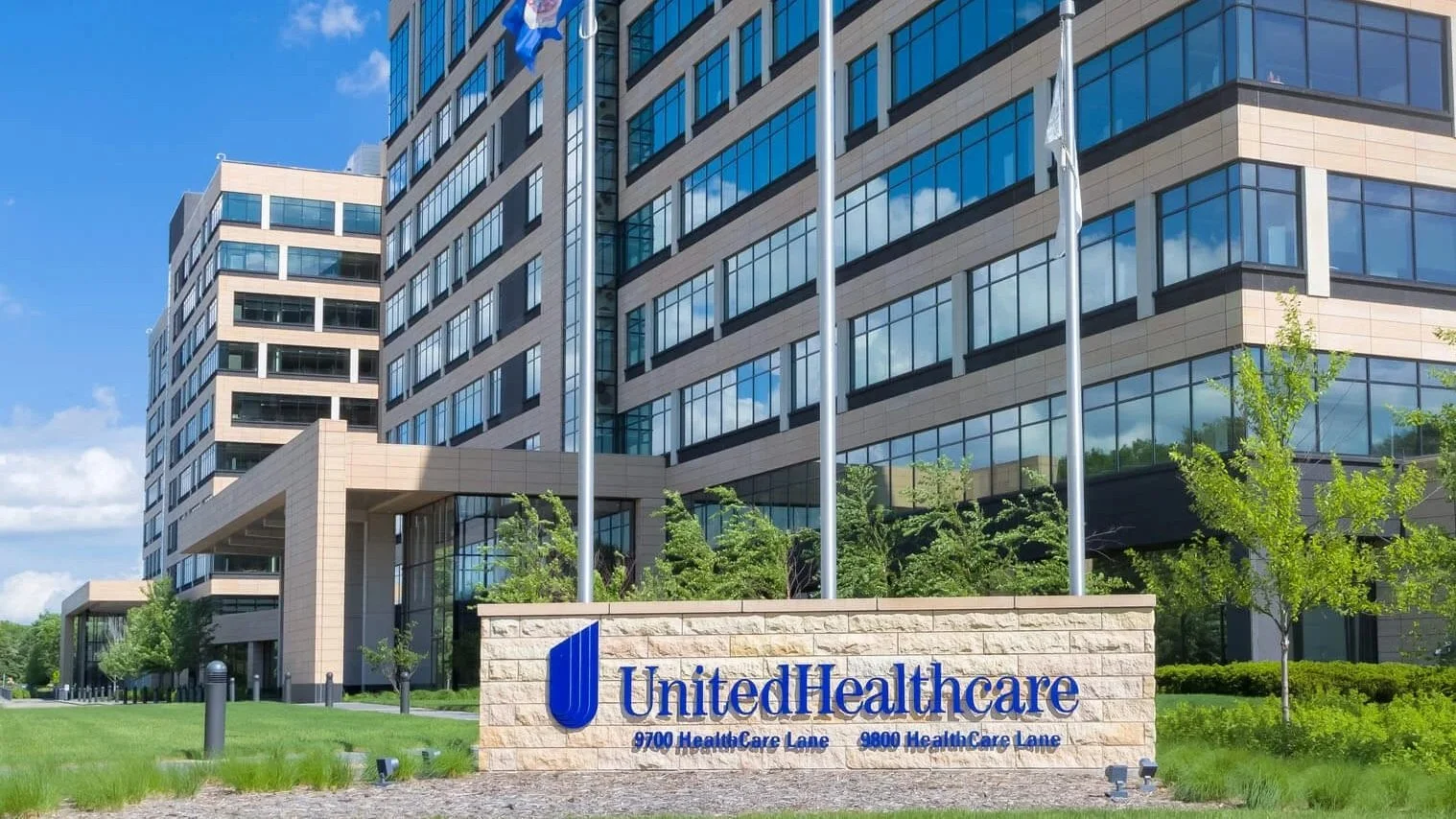
Preparing High-Potential Leaders for Enterprise Impact
Emerging Leaders Development Program | UnitedHealthcare
-
Business Challenge
As a complex, highly regulated healthcare organization, UnitedHealthcare depends on a strong pipeline of leaders who can navigate ambiguity, collaborate across functions, and lead with both confidence and empathy. High-potential individual contributors were consistently identified through talent reviews, yet many lacked formal leadership experience and exposure to enterprise-level thinking.
The organization needed a structured, scalable program to accelerate leadership readiness, strengthen foundational leadership capability, and create consistency in leadership behaviors before participants stepped into formal people-leader roles.
-
Program Focus
This six-month Emerging Leaders program was designed to build early leadership capability and identity. The focus was on self-awareness, communication, influence without authority, decision-making, and understanding leadership expectations within a healthcare environment.
Participants developed the confidence and skills needed to lead initiatives, influence stakeholders, and prepare for future people leadership responsibilities.
-
Program Design & Methods
A six-month, blended learning experience combining live learning, virtual engagement, and applied practice.
Program kickoff (live or virtual) to establish expectations, community, and leadership mindset.
Facilitated live workshops focused on core leadership capabilities such as communication, feedback, and influence.
Virtual learning sessions to reinforce concepts and allow for reflection and discussion.
Behavioral and leadership self-assessments to build self-awareness and guide development.
Cohort-based peer learning, bringing together participants from different functions and business areas.
Applied leadership activities and action planning, allowing participants to practice skills in real work situations.
Capstone reflection connecting learning to individual growth and future leadership readiness.
The blended design allowed leaders to learn, practice, and reflect while balancing the demands of their roles.
Intended Audience
High-potential individual contributors and early career leaders identified through succession planning and talent review processes as future leaders within UnitedHealthcare.
-
Outcomes & Impact
Increased leadership readiness, with 93% of participants reporting greater confidence in their ability to lead initiatives and influence others.
Stronger self-awareness and leadership identity, supported by assessment insights and participant reflection.
Improved cross-functional collaboration, driven by cohort-based learning and shared leadership experiences.
Clearer understanding of leadership expectations, creating a consistent foundation for future manager development.
High engagement and satisfaction, with participant feedback averaging 4.4 out of 5.
6-Month Emerging Leaders Curriculum
Phase 1: Leadership Foundation & Self Awareness
Focus: Building leadership identity, confidence, and awareness.
Program Kickoff (Live or Virtual) – Establishing expectations, cohort connection, and leadership mindset
Leadership Self-Assessments – Increasing self-awareness and identifying development priorities
Understanding Leadership at UnitedHealthcare – Clarifying leadership expectations within a complex healthcare environment
Communication Foundations – Building clarity, trust, and credibility
Phase 3: Application & Leadership Readiness
Focus: Applying leadership skills in real work and preparing for future roles.
Applied Leadership Activities – Practicing leadership behaviors in day-to-day work
Action Planning & Reflection – Translating learning into sustained behavior change
Capstone Reflection Experience – Connecting program learning to future people-leader readiness
Program Close (Live or Virtual) – Reinforcing growth, commitment, and next steps
Phase 2: Influence, Collaboration & Decision-Making
Focus: Strengthening leadership behaviors without formal authority.
Influence Without Authority – Leading initiatives and engaging stakeholders
Feedback & Coaching Fundamentals – Supporting peer performance and collaboration
Decision-Making in Complexity – Navigating ambiguity and competing priorities
Cohort-Based Peer Learning – Learning across functions and business areas
Why This Program Works
Blended learning design balances development with operational demands
Early intervention builds leadership capability before formal people-leader roles
Assessment-informed learning ensures relevance and personalization
Cohort model strengthens cross-functional understanding and networks
Applied practice accelerates confidence, capability, and readiness
Scalable structure supports consistency across a large, distributed organization
❋
Strengthening Executive Leadership and Board Partnership
Executive Leadership Development Program | Ronald McDonald House Charities
-
Business Challenge
Ronald McDonald House Charities Upper Midwest was navigating a period of leadership transition with a relatively new executive leadership team. While the organization remained deeply mission-driven, there were growing tensions and misalignment between executive leadership and the Board—particularly around communication, roles, decision-making, and expectations.
The organization needed a sustained leadership development approach to build trust, establish consistent leadership behaviors, and strengthen the executive–board relationship—while honoring the values, culture, and mission of the organization.
-
Program Focus
This ongoing executive leadership program focused on building self-awareness, strengthening team dynamics, and developing practical leadership skills that supported both internal collaboration and effective governance partnerships. The emphasis was on creating alignment, improving communication, and fostering a shared leadership language across the executive team.
-
Program Design & Methods
A long-term, in-person executive development experience designed to support deep learning and behavior change over time.
Quarterly onsite executive leadership sessions, creating space for reflection, learning, and application.
Program kickoff with Everything DiSC® Workplace, establishing a shared language for communication, behavior, and collaboration.
Facilitated leadership skill development each quarter, focused on real organizational challenges.
Highly interactive sessions, including discussion, case application, and executive-level dialogue.
Annual, abbreviated day-long Board workshop, aligned to executive leadership themes and designed to strengthen board–executive partnership and trust.
The sustained cadence allowed leaders to apply learning between sessions and return to reflect, recalibrate, and grow together.
-
Outcomes & Impact
Improved executive team effectiveness, with 97% of executive leaders reporting stronger trust, communication, and collaboration within the leadership team.
Increased alignment between executive leadership and the Board, reflected in measurable improvements in board–executive communication and decision clarity within the first year.
Consistent leadership language and behaviors, supported by DiSC insights and reinforced across 8 quarterly onsite sessions.
Higher quality executive discussions, with leaders reporting more productive meetings and faster decision-making.
Stronger governance partnership, reinforced through annual board workshops aligned to executive development themes.
Sustained engagement over time, with 100% executive participation across the multi-year program.
Two-Year Leadership Curriculum
Year One: Building the Executive Team Foundation
Everything DiSC® Workplace – Understanding self, others, and communication styles.
Psychological Safety & Trust – Creating an environment for open dialogue and healthy conflict.
Executive Communication – Navigating difficult conversations and aligning messaging.
Roles, Boundaries & Decision Rights – Clarifying executive and board responsibilities.
Year Two: Leading the Organization Forward
Strategic Leadership & Systems Thinking – Leading beyond functional silos.
Influence Without Authority – Partnering effectively with the Board and external stakeholders.
Executive Presence & Credibility – Leading with confidence, clarity, and authenticity.
Sustaining Culture & Mission – Modeling values-driven leadership at the executive level.
Why This Program Works
Supports long-term behavior change rather than one-time training.
Aligns executive development with board governance needs.
Honors nonprofit culture while introducing structure and rigor.
Builds leadership capability in service of mission and sustainability.
❋
Building Confident New Managers at Scale
New Manager Development Program | RSM US LLP
-
Business Challenge
Each year, approximately 500 professionals across tax, audit, and consulting are promoted to Manager at RSM US LLP—stepping into people leadership roles for the first time. While technically strong, these new managers must quickly shift from individual contributor to leader, often without prior formal leadership experience. The organization needed a consistent, scalable approach to rapidly build foundational leadership capability, confidence, and readiness across a large, diverse population.
-
Program Focus
This program was designed to accelerate the transition into people leadership by building essential management skills, leadership mindset, and confidence. Key areas of focus included leading former peers, managing performance, effective communication, coaching and feedback, and navigating the increased complexity and accountability of the manager role.
-
Program Design & Methods
A once-a-year, week-long immersive experience designed to create alignment, shared language, and immediate application.
Facilitated, instructor-led sessions grounded in real-world management scenarios.
Behavioral insights to build self-awareness and adaptability.
Practical tools for performance management, feedback, and coaching.
Peer learning and cohort-based discussion across functions.
Reflection and application activities to support on-the-job transfer.
The program emphasized practical leadership behaviors new managers could apply immediately upon returning to their teams.
-
Outcomes & Impact
Accelerated readiness for first-time managers, with 94% of participants reporting increased confidence in their ability to lead people within the first 90 days following the program.
Improved consistency in core management behaviors, with post-program evaluations showing 91% of new managers demonstrating increased capability in feedback, coaching, and performance conversations.
Faster transition from individual contributor to people leader, reducing time-to-effectiveness for newly promoted managers across tax, audit, and consulting functions.
Stronger alignment around leadership expectations, with high adoption of shared management language and tools introduced during the program.
Positive participant experience and engagement, with program satisfaction scores consistently exceeding 4.9 out of 5.